Skip to content
American-Heart-Month-Graphic

Why Heart Health Matters—For You, Your Family, and Your Life

Heart health isn’t just about numbers or test results. It’s about protecting your ability to care for others, stay active, and enjoy daily life. The way you move, eat, and handle stress each day quietly shapes your heart health over time. 

This American Heart Month, we encourage patients to focus on realistic, sustainable habits and support them with a preventive Heart Health Checkup. By approaching heart health in a way that fits naturally into your routine, you strengthen how you live, stay connected to your family, and navigate everyday life with confidence. 

Multi-generational family gathered around a table, smiling and sharing a healthy meal. An older couple, a younger woman, and a child sit together with bowls of fruits and vegetables, including broccoli arranged in a heart shape, creating a warm and joyful family moment.

Prevention Is an Act of Love

Taking care of your heart goes beyond personal wellness—it’s a way to support the people who matter most. When you invest in your health, you’re also investing in the moments you share with others. 

CLS Health’s preventive cardiology program helps lower risk through cholesterol and blood pressure management, lifestyle guidance, and personalized heart health assessments. By identifying concerns early and taking a proactive approach, you can build a strong foundation for long-term cardiovascular health. 
Small Steps Can Lead to Lasting Change

Preventive heart care does not require drastic changes or complex routines. Simple choices made consistently, along with the right checkup, can have a powerful impact over time. 

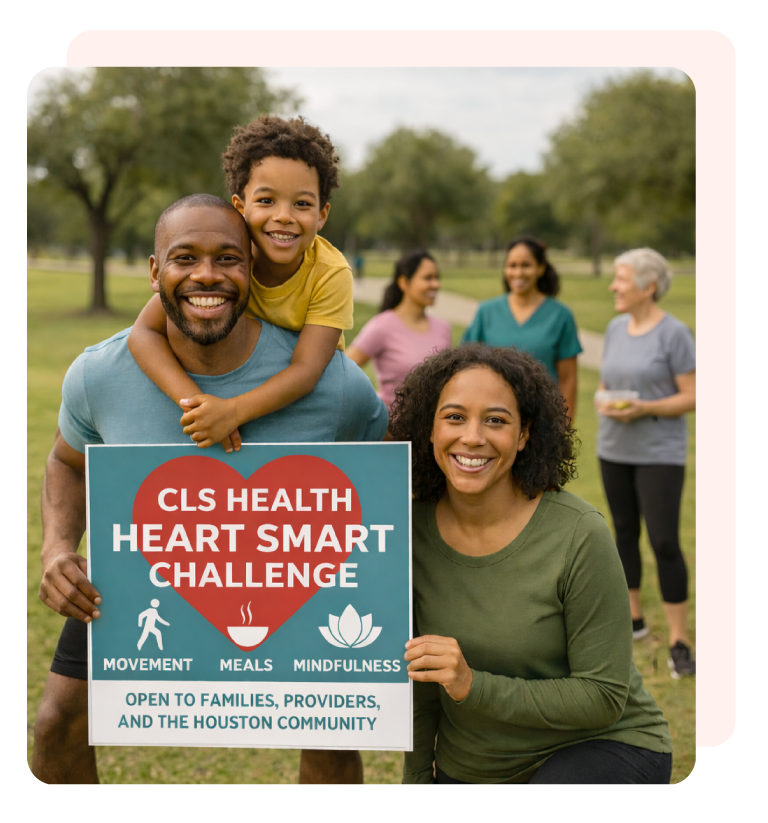
Join the February CLS Health Heart Smart Health Challenge and discover how approachable heart-healthy habits can be. 

Heart Health Is Personal and Shared

Heart disease often affects families through shared genetics, routines, and habits, even when symptoms are not obvious. Understanding shared risk factors can help you take meaningful steps toward prevention together. 

This American Heart Month, start conversations about family health history and lifestyle patterns, and take action before problems arise. 

Landing-page-image-enhanced-v2

Join the CLS Health Heart Smart Challenge

Throughout February, CLS Health invites patients, families, providers, and the Houston community to participate in the CLS Health Heart Smart Challenge. This month-long initiative is designed to make heart health feel practical, personal, and attainable. 

Heart health shows up in the everyday choices we make. The CLS Heart Smart Challenge focuses on three simple areas that support overall cardiovascular wellness. Download the guide to follow along and track your progress throughout the month.

Stay Connected

Follow CLS Health on social media for trusted tips and insights from our cardiology providers throughout American Heart Month. You will find clear, encouraging guidance designed to help you make informed decisions about your heart health. 

Heart Health Resources

Explore expert-reviewed articles on heart health from the CLS Health Heart & Vascular doctors. These resources cover practical topics such as nutrition, cholesterol management, recognizing warning signs, and understanding wearable heart monitoring technology to help you take a more informed approach to prevention. 

Blog-Image-2

Heart-Healthy Diet: Foods That Lower Blood Pressure and Cholesterol

Collection of healthy foods on a wooden table

What to Eat (and Avoid) If You Have High Cholesterol

Elderly man gets his heartbeat checked from a provider

Can You Reverse Heart Disease? How to Improve Diet, Blood Pressure & More

Common Heart Questions, Answered

What are the symptoms of a heart attack?

Recognizing heart attack symptoms early is crucial. Common signs include chest pain or discomfort (pressure, squeezing, or fullness), shortness of breath, upper body pain (arms, back, neck, jaw, or stomach), nausea or vomiting, cold sweats, and dizziness. If you or someone else experiences these symptoms, seek immediate emergency medical attention. 

How does cholesterol affect heart health?

Cholesterol significantly impacts heart health. High levels of LDL ("bad") cholesterol contribute to plaque buildup in arteries, increasing the risk of heart disease. HDL ("good") cholesterol helps remove LDL, reducing this risk. Elevated total cholesterol levels also increase cardiovascular risk. Maintaining a healthy cholesterol balance through a nutritious diet, regular exercise, and, if necessary, medication is crucial for preventing heart disease. 

What are the risk factors for coronary artery disease?

Coronary Artery Disease (CAD) risk factors include high blood pressure, high cholesterol, smoking, diabetes, obesity, and a sedentary lifestyle. Genetics and family history also play a role. Age and gender further influence risk, with men generally at higher risk earlier in life. Managing these risk factors through lifestyle changes and medical interventions can help prevent CAD. 

What lifestyle changes can improve heart health?

Maintaining heart health requires a well-rounded approach that includes regular exercise, a nutrient-rich diet, and weight management. Quitting smoking and moderating alcohol intake are essential, while stress reduction, quality sleep, and routine health screenings further support long-term cardiovascular wellness. 

Take Small Steps Today for Lifelong Heart Health Tomorrow